 vs
vs
Looking for a Cap alternative?
Cap records cleanly and shares fast, and free stops at personal use. Prequel directs the take: zooms on what you click and what you type, a perspective tilt, focus falling away from the subject, a camera cut out of the room. 4K at 120 fps against their 4K 60, $9 a month or $29 once.
No credit card required
Cap
Open source screen recording, local or shared.
- Price
- Free for personal use; $58 once, or $12/user/mo
- Free
- Unlimited local recording for personal use; commercial work needs a licence
- Platforms
- macOS, Windows
Prequel
Cinematic screen recorder for Mac
- Price
- $9 a month, or $29 once
- Free
- 7-day trial, then paid
- Platforms
- macOS 14+, Apple Silicon
Checked on 22 October 2026 against Cap, Cap pricing, Cap commercial licence, Cap on GitHub.
What is Cap, and what is it good at?
Cap is the open-source screen recorder people reach for instead of Loom. Record locally in Studio Mode with a full editor, or record and share a link in seconds. It runs on macOS and Windows, the source is public, and it can be self-hosted: a team that cannot send video to someone else's server can run the whole thing on its own infrastructure, with custom S3 or Google Drive storage behind it.
It is free for personal use with no time limit on local recordings. Commercial use is a Desktop Licence at $29 a year or $58 once. Cap Pro, at $12 a user a month or $8.16 billed annually, is where the cloud lives: unlimited sharing, a custom domain, password-protected links, viewer analytics, AI titles, summaries, chapters and transcripts.
Why do people look for a Cap alternative?
Two reasons, and they are different reasons.
Free is for personal use. Recording for work needs a paid licence, and the free plan caps a shareable link at five minutes. That is a fair line, drawn clearly, and it still surprises people who tried Cap on a demo for their own product.
The output is a clean recording, not a directed one. Cap exports 4K at 60, and the editor gives you zooms and the usual trims. What it does not do is put a tilt on the push-in, pull focus away from the subject, place a zoom on what you type, or cut your camera out of the room behind you.
Is Prequel a good Cap alternative?
For the finished video, yes.
Prequel records the screen, the camera, the microphone and system audio as separate tracks, then opens the editor with the pass already made. Zooms land on every click and every burst of typing, tilted, with focus falling away from whatever they are aimed at. The camera is framed, shaped and cut out of its background by a model running on your Mac. Seventeen colour looks sit over the picture. Captions are transcribed on device.
Export is one file at up to 4K and 120 frames a second against Cap's 4K 60, and the licence is $9 a month or $29 once, which covers commercial work from the first recording.
What do you give up by switching?
The open-source licence and the ability to self-host, which for some teams is the only reason Cap is on the list. Also Windows, the Loom importer, the custom domain, the viewer analytics and the AI chapters.
Cap's one-off licence is $58 against Prequel's $29, so the one-time route is cheaper here, and the cloud half is not the same product. If link analytics are what you are buying, Cap Pro keeps that argument.
How do the features compare?
| Feature | Prequel | Cap |
|---|---|---|
| Automatic zoom on clicks | Included | Included |
| Zoom on what you type | Included | Not included |
| Cursor smoothing and resizing | Included | Included |
| Camera overlay, shaped and placed after | Included | Included |
| Backgrounds, padding and shadow | Included | Included |
| Layouts for the screen and camera | Fourteen, per clip | Camera over the screen, resized and moved |
| Camera cut out of its background | Included | Not included |
| Perspective tilt and focus falloff on zooms | Included | Not included |
| Captions transcribed on your Mac | Included | Transcripts on Cap Pro, after upload |
| Timeline editing | Included | Included |
| Separate audio tracks | Included | Not included |
| System audio without a virtual driver | Included | Included |
| Reframe to vertical without cropping | Included | Not included |
| Magnifying-glass loupe over the work | Included | Not included |
| Colour looks and filters | Included | Not included |
| Microphone noise reduction | Included | Not included |
| Import a video you already have | Included | Not included |
| Records and exports without uploading | Included | Records locally; sharing uploads, or self-host it |
| Shareable links | Included | Yes, 5 minutes on free and Desktop, unlimited on Pro |
| Team workspace | Included | Included |
| Records an iPhone or iPad | Not included | Not included |
| Maximum export | 4K, 120 fps | 4K, 60 fps |
| Download size | 104 MB | Not published |
| Platforms | macOS 14+, Apple Silicon | macOS, Windows |
| Licence | $9/month or $29 once, 7-day trial | Open source; $58 once or $12/user/mo |
What Cap is good at
Open source, self-hostable, and the only recorder here a team can run end to end on its own infrastructure with its own S3 bucket behind it.
What does each one cost?
Cap
- Free$0 personal use, links capped at 5 minutes
- Desktop Licence$29 per year, or $58 once
- Cap Pro$12 per user, per month, or $8.16 billed annually
Prequel
- Lifetime$29 once
- Pro$9 a month
Checked on 22 October 2026 against Cap, Cap pricing, Cap commercial licence, Cap on GitHub.
- Record your screen and cameraPick a display, a window or an area you drag out, with your camera, microphone and system audio each on their own track.
- Zooms and layout are applied automaticallyPrequel reads where you clicked and typed, then places the zooms, frames your camera and sets a background behind it.
- Edit, export and shareMove a zoom, trim a clip or fix a caption, then export one MP4 at up to 4K or send a link that plays anywhere.
Zoom and pan
Zooms that follow the action
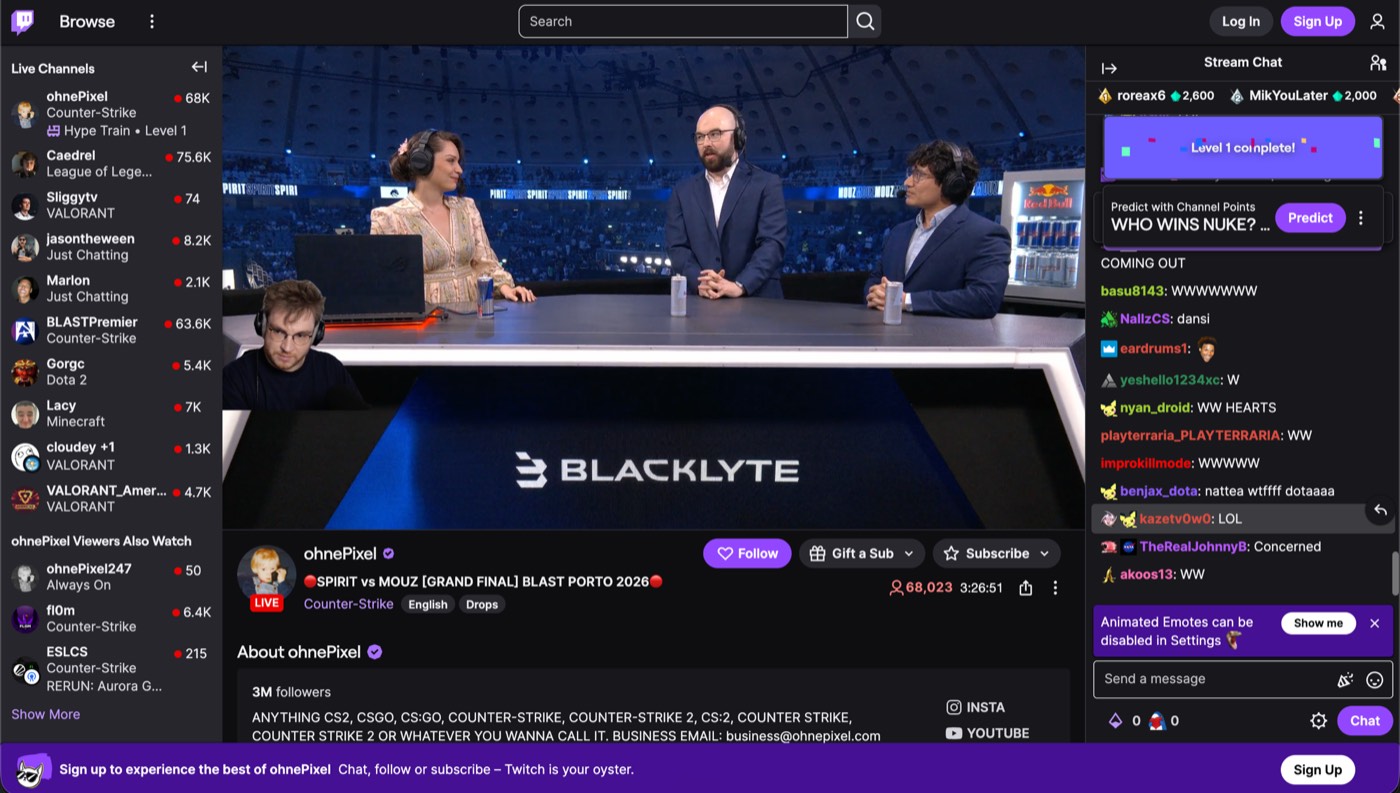
Prequel automatically zooms in when you click or type, then softens the rest of the window so viewers know where to look. Every zoom is added to the timeline, so you can move, retime or delete it at any time.
Layouts
Switch layouts clip by clip
Choose from fourteen layouts for the same take: camera in the corner, beside the screen, split with it or hidden entirely. Use one layout for the whole video, or change it clip by clip.
Subtitles
Subtitles you can edit like text
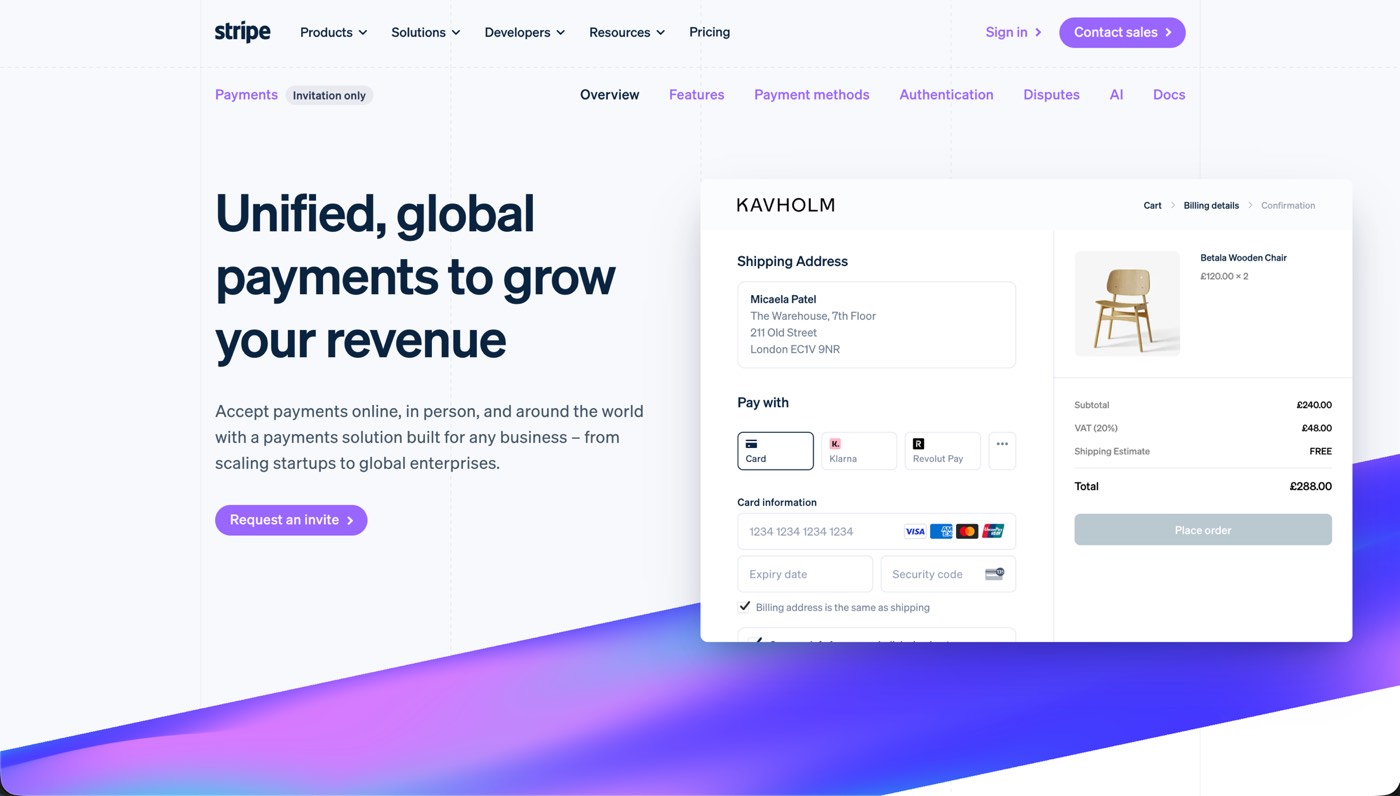
Prequel transcribes every word on your Mac when the editor opens. Fix captions by typing in the transcript, choose a subtitle style or delete a sentence to remove it from the video.
Thisisthecheckoutweshippedlastweek
Thisisthecheckoutweshippedlastweek
Thisisthecheckoutweshippedlastweek
Thisisthecheckoutweshippedlastweek
Thisisthecheckoutweshippedlastweek
Thisisthecheckoutweshippedlastweek
Thanks so much for jumping on this call
Iwanttoshowyousomethingcool
[pause here]
we’ve been building for the past few months
Teleprompter
A teleprompter that follows your voice
Prequel hangs your script from the notch, just under the camera, and follows your voice — the word you're saying lights up as you say it. Wander off script and it waits for you; skip ahead or fall behind and it catches up within a couple of words.
Apple Silicon · macOS 14+
Native
Built for your Mac
Prequel is a native app for Apple Silicon. It records with the system’s own capture, encodes on the video hardware and draws every frame in Metal. Your recordings stay on your disk.
The editor
Everything you would have done by hand
It opens by itself when you stop recording, on the take you just made. Nothing to import, nothing to line up.
Guide attention automatically
Prequel zooms into the part of the screen that matters: the cursor, a region you draw, or whatever you are typing into. Set the level, the speed and how much the rest of the frame blurs.
Look present without taking over the video
Your camera stays framed and out of the way: circle, squircle, rounded, wide or portrait, in any corner and any size. It is never burned into the recording, so none of it is decided while you record.
Make recordings look designed
Add a background, padding and a shadow without editing any of it by hand. Your own wallpaper by default, seven bundled presets, gradients and solids.
Cut the parts nobody needs to see
Trim the pauses yourself, slice by slice, with a waveform under every clip. Layout, background and audio can all change mid-take.
Keep the pointer out of the way
Fifteen pointer styles, resized so the cursor survives a zoom. Smoothed while it travels, and hidden after a few seconds of stillness.
Export the frame you approved
The preview and the exporter draw the same plan, so the file matches what you signed off in the editor.
Quality
Videos stay sharp at 4K
Capture and export run on your Mac's own media engine. 1080p at 60 fps records without dropping frames, and 4K is a setting you pick.
- Resolution
- Up to 4K
- Frame rate
- Up to 120 fps
- Codecs
- H.264 · HEVC
- Encoding
- Hardware, VideoToolbox
- Compositing
- Metal
- Output
- Constant frame rate MP4
Formats
Export in any frame
Turn one recording into different formats without manually reframing every element. Switch from landscape to vertical and the layout stays intact.
- Landscape 16:9
- 4K
- Vertical 9:16
- Square 1:1
- Portrait 4:5
- YouTube
- Shorts
- TikTok
- Reels
- X
Record demos worth sharing
Free for 7 days. No watermark on anything you export.
No credit card required
Curious about the internals? Read the blog
FAQ
Zooms, exports and the rest
What is the best Cap alternative?
Prequel, if the finished video is the point. It makes the same kind of automatic pass and takes it further: zooms on what you type as well as where you click, a perspective tilt on the push-in, focus falling away from the subject, a camera cut out of the room behind you, seventeen colour looks and captions transcribed on your Mac. It exports at up to 4K and 120 frames a second where Cap stops at 4K 60, and it is $29 once with commercial use included.
Is Cap free?
For personal use, yes, with no time limit on local recordings and shareable links capped at five minutes. Commercial use needs a Desktop Licence at $29 a year or $58 once, and Cap Pro is $12 per user per month, or $8.16 a month billed annually, for unlimited cloud sharing, analytics and AI transcripts. Checked on 22 October 2026.
Can I self-host Cap?
Yes, and it is the strongest reason to choose it. Cap is open source and can run on your own infrastructure with a custom S3 bucket or Google Drive behind it. Prequel has no self-hosted mode: recording and export never touch the network, and sharing a link is a thing you ask for.
Is Prequel cheaper than Cap?
On the one-off licence, yes: $29 against $58, both covering commercial work. On a subscription, $9 a month against $12, or $8.16 if you pay Cap for a year up front. Cap is free for personal use and Prequel is not, so for recordings nobody is paid for, Cap is cheaper.