Training
Record the training video once
Do the process on your screen while Prequel watches where you click and type. What comes back is the video you would have spent an afternoon editing.


 +1kLiked by 1000s of creators
No credit card required
Most internal training video is made once, badly, by someone who was not hired to make video. It shows the process, it is twenty minutes long, and it is recorded at one distance with a cursor skidding around the screen.
It still beats writing the process down, which is why people keep making them. The gap is that the tooling assumes you will edit afterwards, and nobody editing an internal training video has ever had the afternoon for it.
Do the process, get the video
Start recording, do the task the way you would do it anyway, stop. Prequel notes where you click and where you type as it captures, and the editor opens on the take with those moments already turned into zooms — pushed in on the field being filled, pulled back when you move on.
A process that spans several applications works the same way. Record the whole screen and cursor zooms follow the pointer between them, so moving from a browser to a spreadsheet does not lose the person watching.
The details that make it look careless
Two things give an internal recording away. The cursor is the first: at export size it is either invisible or it sits parked over the thing being explained. Prequel offers four pointer styles, resizes the cursor so it survives a zoom, and takes it out of frame after a few seconds of stillness.
The second is audio. Something always arrives at full volume in the middle of a take — a notification, a call, a video someone left playing. Microphone and system audio are recorded as separate tracks with separate gains, so that is a slider afterwards rather than a reason to record the whole thing again.
Keeping it current
The take is a timeline. When step four changes, trim step four out and record a replacement. The rest of the video does not have to be touched, and the new section does not have to match the old one's framing to sit next to it.
- Record your screen and cameraPick a display, a window or an area you drag out, with your camera, microphone and system audio each on their own track.
- Zooms and layout are applied automaticallyPrequel reads where you clicked and typed, then places the zooms, frames your camera and sets a background behind it.
- Edit, export and shareMove a zoom, trim a clip or fix a caption, then export one MP4 at up to 4K or send a link that plays anywhere.
Zoom and pan
Zooms that follow the action
Prequel automatically zooms in when you click or type, then softens the rest of the window so viewers know where to look. Every zoom is added to the timeline, so you can move, retime or delete it at any time.
Layouts
Switch layouts clip by clip
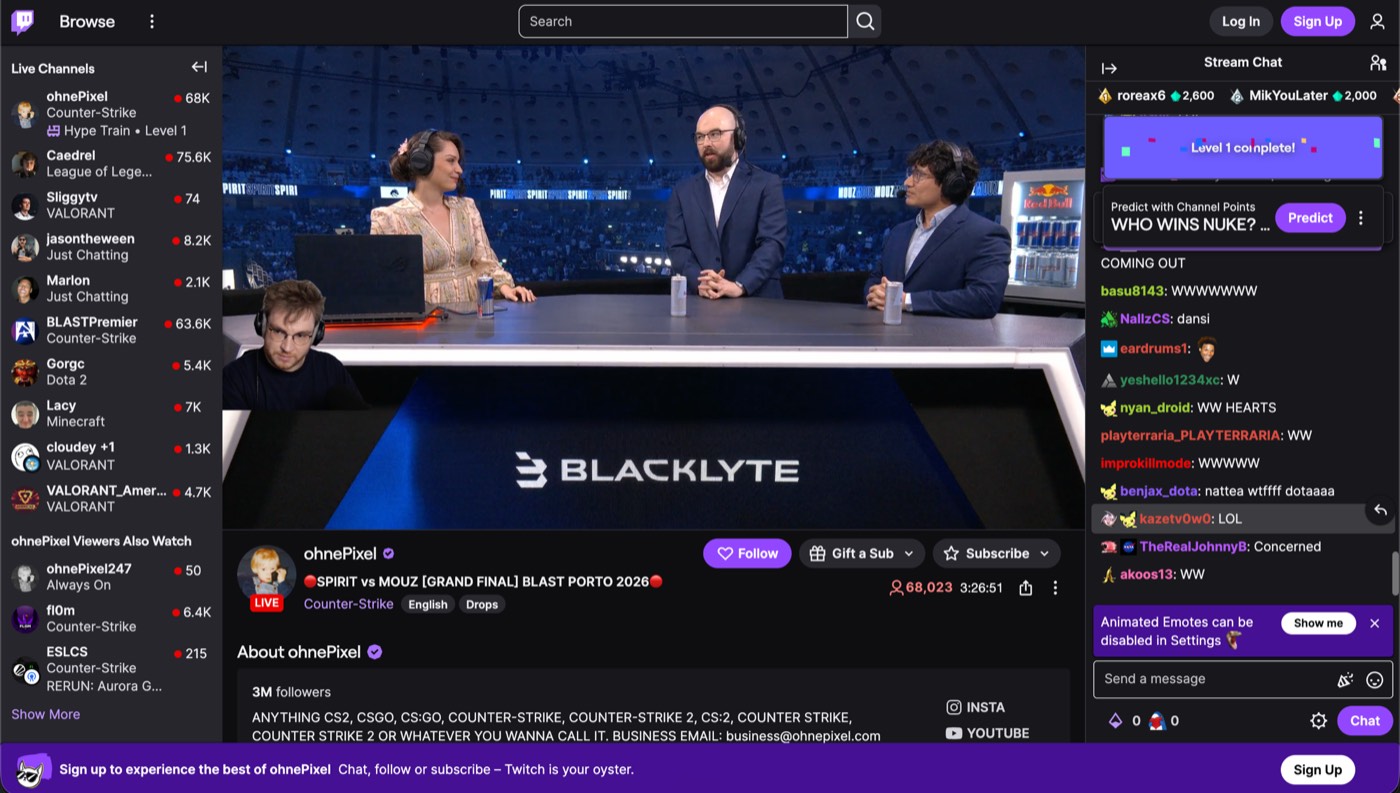
Choose from fourteen layouts for the same take: camera in the corner, beside the screen, split with it or hidden entirely. Use one layout for the whole video, or change it clip by clip.
Subtitles
Subtitles you can edit like text
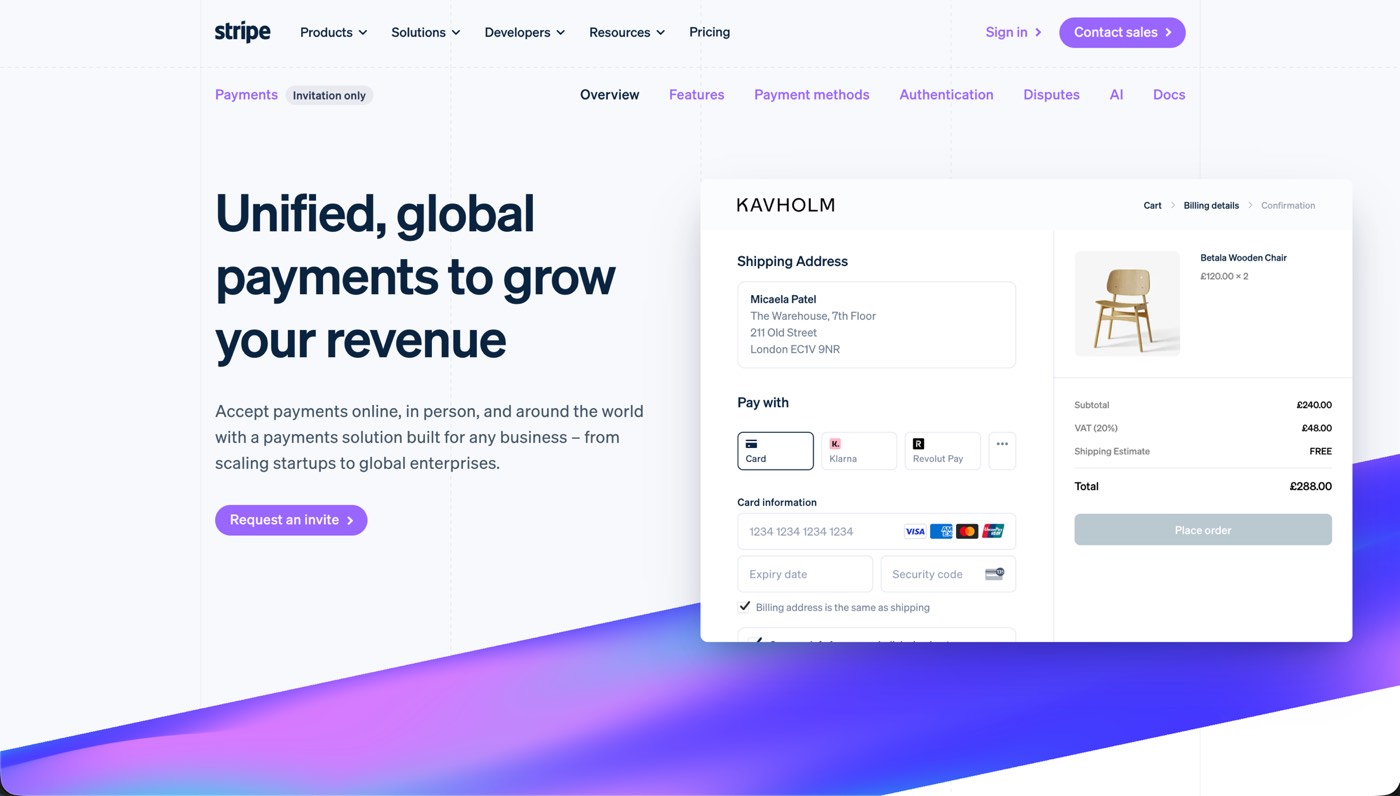
Prequel transcribes every word on your Mac when the editor opens. Fix captions by typing in the transcript, choose a subtitle style or delete a sentence to remove it from the video.
Thisisthecheckoutweshippedlastweek
Thisisthecheckoutweshippedlastweek
Thisisthecheckoutweshippedlastweek
Thisisthecheckoutweshippedlastweek
Thisisthecheckoutweshippedlastweek
Thisisthecheckoutweshippedlastweek
Thanks so much for jumping on this call
Iwanttoshowyousomethingcool
[pause here]
we’ve been building for the past few months
Teleprompter
A teleprompter that follows your voice
Prequel hangs your script from the notch, just under the camera, and follows your voice — the word you're saying lights up as you say it. Wander off script and it waits for you; skip ahead or fall behind and it catches up within a couple of words.
Instant edit
Start with the edit already done
Prequel records where you click and type, then opens the editor with zooms already placed, a framed camera and a polished background. Spend less time building the first cut and more time fine-tuning.
- Zooms placedOn every click and every burst of typing
- Camera framedShaped, sized and set in a corner
- Background appliedPadding, radius, border and shadow
- Audio balancedMicrophone and system on separate gains
- Cursor cleaned upSmoothed, resized, hidden when it idles
The editor
Everything you would have done by hand
It opens by itself when you stop recording, on the take you just made. Nothing to import, nothing to line up.
Guide attention automatically
Prequel zooms into the part of the screen that matters: the cursor, a region you draw, or whatever you are typing into. Set the level, the speed and how much the rest of the frame blurs.
Look present without taking over the video
Your camera stays framed and out of the way: circle, squircle, rounded, wide or portrait, in any corner and any size. It is never burned into the recording, so none of it is decided while you record.
Make recordings look designed
Add a background, padding and a shadow without editing any of it by hand. Your own wallpaper by default, seven bundled presets, gradients and solids.
Cut the parts nobody needs to see
Trim the pauses yourself, slice by slice, with a waveform under every clip. Layout, background and audio can all change mid-take.
Keep the pointer out of the way
Fifteen pointer styles, resized so the cursor survives a zoom. Smoothed while it travels, and hidden after a few seconds of stillness.
Export the frame you approved
The preview and the exporter draw the same plan, so the file matches what you signed off in the editor.
Quality
Videos stay sharp at 4K
Capture and export run on your Mac's own media engine. 1080p at 60 fps records without dropping frames, and 4K is a setting you pick.
- Resolution
- Up to 4K
- Frame rate
- Up to 120 fps
- Codecs
- H.264 · HEVC
- Encoding
- Hardware, VideoToolbox
- Compositing
- Metal
- Output
- Constant frame rate MP4
Formats
Export in any frame
Turn one recording into different formats without manually reframing every element. Switch from landscape to vertical and the layout stays intact.
- Landscape 16:9
- 4K
- Vertical 9:16
- Square 1:1
- Portrait 4:5
- YouTube
- Shorts
- TikTok
- Reels
- X
Record demos worth sharing
Free for 7 days. No watermark on anything you export.
No credit card required
Curious about the internals? Read the blog
FAQ
Zooms, exports and the rest
How long does it take to turn a screen recording into a training video?
The recording, plus the trimming. There is no import step, no render queue and no zooms to place by hand — the editor opens on the take with those already decided, so the work left is deciding what to cut.
Can I record a process that spans several apps?
Record the whole screen and the take follows you between them. Cursor zooms track the pointer across the display, so moving from a browser to a spreadsheet does not lose the viewer.
What about the notification that lands mid-recording?
It lands on the system audio track, not on your voice. The two are captured separately and mixed only at export, so pulling the alert down is a gain on one clip — no part of the narration has to be recorded twice.
Can I narrate a training video as I record it?
Yes. The microphone is captured in the same pass as the screen, on its own track, so the narration and the demonstration are recorded together and mixed separately.
How do I keep internal data out of a training video?
Two ways, both decided before you record: point Prequel at a single window rather than the whole display, or drag a region around the part of the screen you want captured. Anything outside it was never recorded. If something slips through mid-take, the timeline is the other answer — cut those seconds out.
Can I pause partway through a long process?
Yes, with a global shortcut that works while another app has focus. Paused spans are removed from the recording rather than left as a freeze, so a ten-minute take paused for half an hour is still a ten-minute file.
Does it work on macOS Sonoma?
Yes — macOS 14 is the floor, and Sonoma is 14. An Apple Silicon Mac and the Screen Recording permission are the other two requirements.