Courses
Record course lessons that hold attention
One distance from the viewer for forty minutes is what makes a lesson hard to watch. Prequel varies it for you, on the moments that earn it.


 +1kLiked by 1000s of creators
No credit card required
A lesson is longer than anything else you will record on a screen, and length is what exposes a flat recording. Forty minutes at one distance from the viewer is genuinely tiring to watch, in a way that four minutes is not.
Course platforms are full of advice about this. It usually amounts to: edit more. Add zooms, cut the pauses, vary the shot. All correct, and all of it priced in hours per finished minute.
The pass is already made
Prequel records where you click and type while it captures, and clusters those moments into zooms before the editor opens. What you get back is a lesson that already changes distance with the material — in on the thing being demonstrated, out when you are talking over it.
Every zoom is an ordinary timeline slice, so disagreeing with one is a drag rather than a rebuild. Level, speed, tilt and yaw are per zoom, with blur falling away progressively from the focus, so a slow shallow push for a walkthrough and a faster tighter one for a highlight are the same control set at different values.
A course has to look like one course
Lesson one and lesson eleven are recorded months apart, and it shows.
Because none of the look is decided while you record, it does not have to. The camera shape, its size, its corner, the background, the padding, the radius, the border and the shadow are all settings applied to a finished take. A lesson recorded today can be given exactly the treatment you gave the first one.
Files you can actually host
Export runs through your Mac's own media engine — hardware H.264 or HEVC, composited in Metal, at a constant frame rate. A forty-minute lesson comes out as one MP4 at a size a platform will accept, rather than the enormous MOV a plain screen recording leaves behind.
- Record your screen and cameraPick a display, a window or an area you drag out, with your camera, microphone and system audio each on their own track.
- Zooms and layout are applied automaticallyPrequel reads where you clicked and typed, then places the zooms, frames your camera and sets a background behind it.
- Edit, export and shareMove a zoom, trim a clip or fix a caption, then export one MP4 at up to 4K or send a link that plays anywhere.
Zoom and pan
Zooms that follow the action
Prequel automatically zooms in when you click or type, then softens the rest of the window so viewers know where to look. Every zoom is added to the timeline, so you can move, retime or delete it at any time.
Layouts
Switch layouts clip by clip
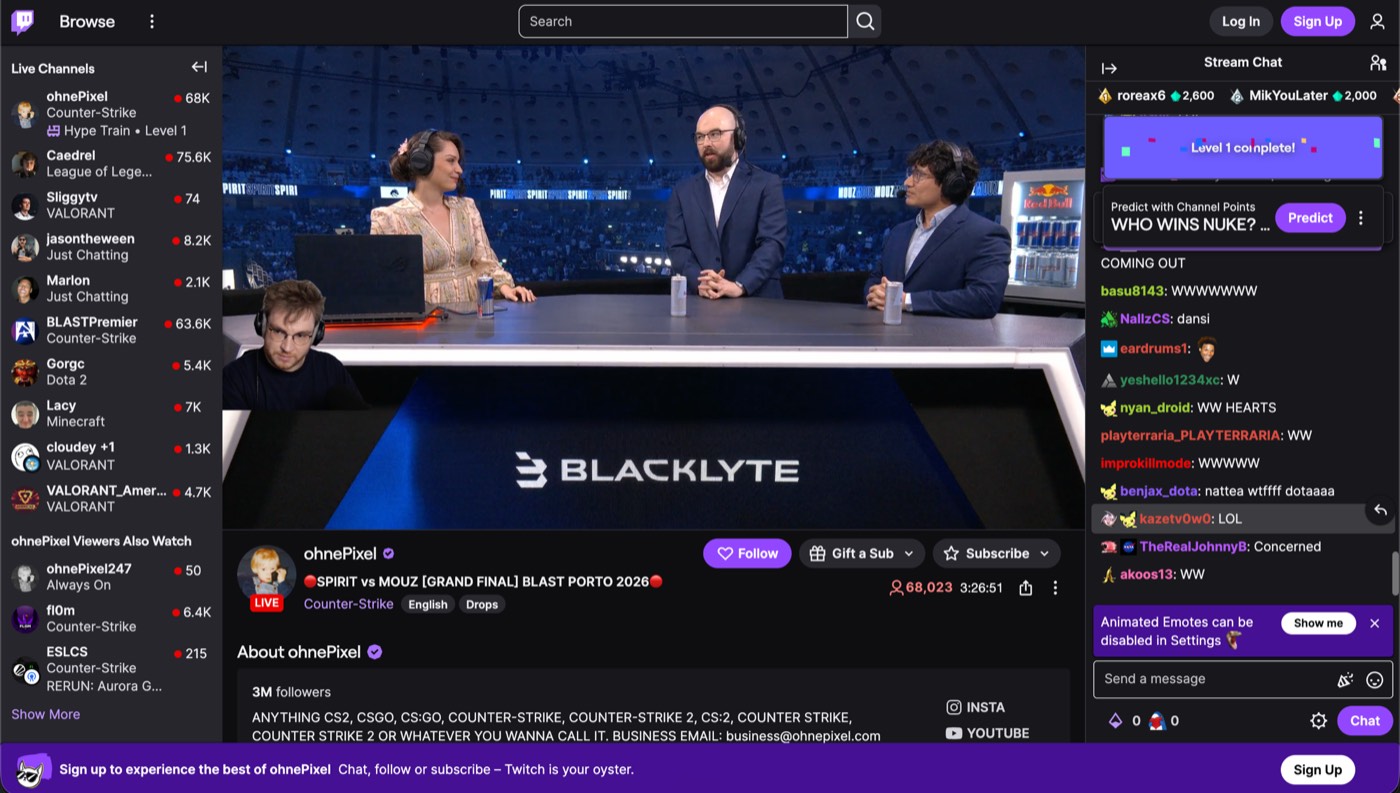
Choose from fourteen layouts for the same take: camera in the corner, beside the screen, split with it or hidden entirely. Use one layout for the whole video, or change it clip by clip.
Subtitles
Subtitles you can edit like text
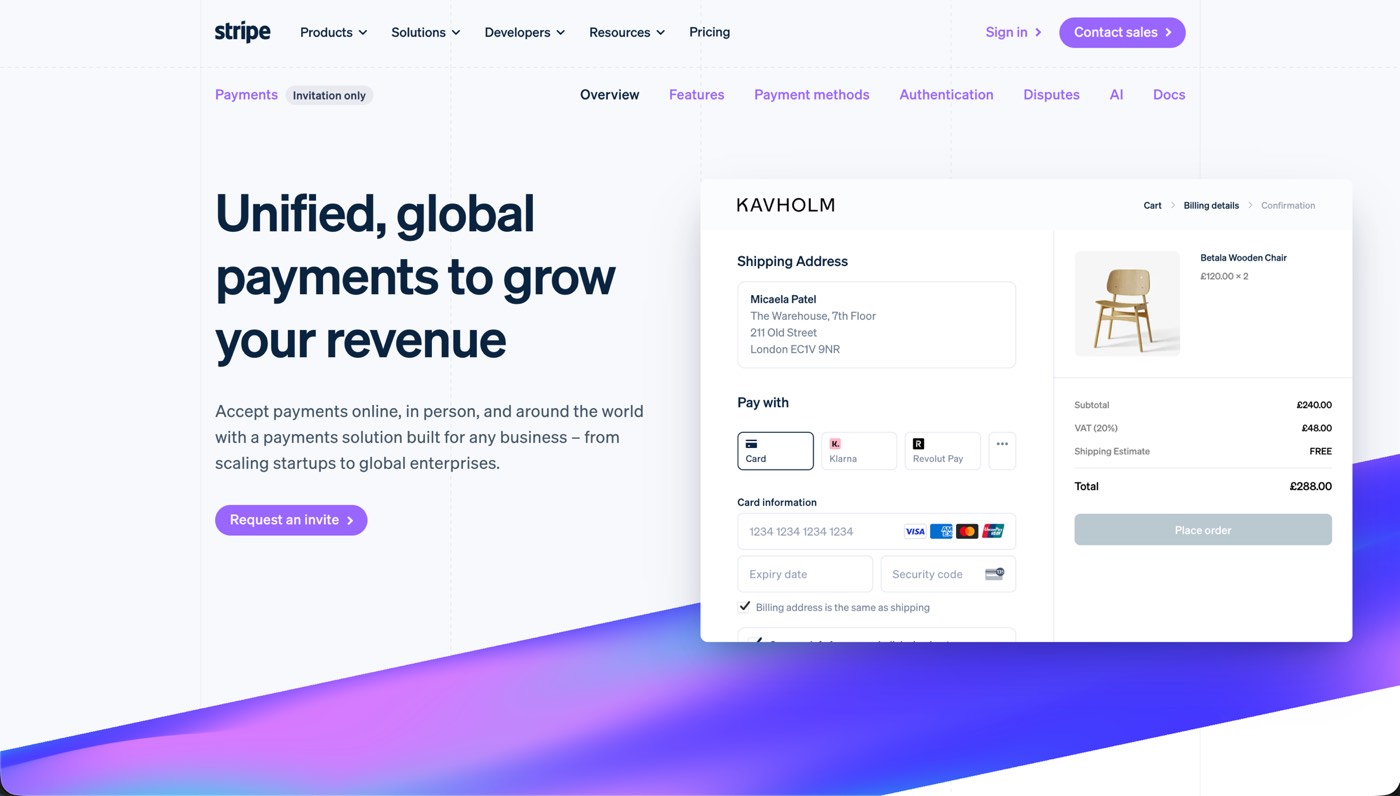
Prequel transcribes every word on your Mac when the editor opens. Fix captions by typing in the transcript, choose a subtitle style or delete a sentence to remove it from the video.
Thisisthecheckoutweshippedlastweek
Thisisthecheckoutweshippedlastweek
Thisisthecheckoutweshippedlastweek
Thisisthecheckoutweshippedlastweek
Thisisthecheckoutweshippedlastweek
Thisisthecheckoutweshippedlastweek
Thanks so much for jumping on this call
Iwanttoshowyousomethingcool
[pause here]
we’ve been building for the past few months
Teleprompter
A teleprompter that follows your voice
Prequel hangs your script from the notch, just under the camera, and follows your voice — the word you're saying lights up as you say it. Wander off script and it waits for you; skip ahead or fall behind and it catches up within a couple of words.
Instant edit
Start with the edit already done
Prequel records where you click and type, then opens the editor with zooms already placed, a framed camera and a polished background. Spend less time building the first cut and more time fine-tuning.
- Zooms placedOn every click and every burst of typing
- Camera framedShaped, sized and set in a corner
- Background appliedPadding, radius, border and shadow
- Audio balancedMicrophone and system on separate gains
- Cursor cleaned upSmoothed, resized, hidden when it idles
The editor
Everything you would have done by hand
It opens by itself when you stop recording, on the take you just made. Nothing to import, nothing to line up.
Guide attention automatically
Prequel zooms into the part of the screen that matters: the cursor, a region you draw, or whatever you are typing into. Set the level, the speed and how much the rest of the frame blurs.
Look present without taking over the video
Your camera stays framed and out of the way: circle, squircle, rounded, wide or portrait, in any corner and any size. It is never burned into the recording, so none of it is decided while you record.
Make recordings look designed
Add a background, padding and a shadow without editing any of it by hand. Your own wallpaper by default, seven bundled presets, gradients and solids.
Cut the parts nobody needs to see
Trim the pauses yourself, slice by slice, with a waveform under every clip. Layout, background and audio can all change mid-take.
Keep the pointer out of the way
Fifteen pointer styles, resized so the cursor survives a zoom. Smoothed while it travels, and hidden after a few seconds of stillness.
Export the frame you approved
The preview and the exporter draw the same plan, so the file matches what you signed off in the editor.
Quality
Videos stay sharp at 4K
Capture and export run on your Mac's own media engine. 1080p at 60 fps records without dropping frames, and 4K is a setting you pick.
- Resolution
- Up to 4K
- Frame rate
- Up to 120 fps
- Codecs
- H.264 · HEVC
- Encoding
- Hardware, VideoToolbox
- Compositing
- Metal
- Output
- Constant frame rate MP4
Formats
Export in any frame
Turn one recording into different formats without manually reframing every element. Switch from landscape to vertical and the layout stays intact.
- Landscape 16:9
- 4K
- Vertical 9:16
- Square 1:1
- Portrait 4:5
- YouTube
- Shorts
- TikTok
- Reels
- X
Record demos worth sharing
Free for 7 days. No watermark on anything you export.
No credit card required
Curious about the internals? Read the blog
FAQ
Zooms, exports and the rest
Can I keep the framing consistent across a whole course?
The camera shape, size, corner and the background are settings on the take, so a lesson recorded in week six can be given the same treatment as one from week one. Nothing about the look is decided while you record.
Can I pause in the middle of a lesson?
Yes, from a global shortcut, so you can stop to find a file or answer the door without leaving it in the recording. Paused spans are subtracted from the timeline rather than frozen into it — the file is as long as the lesson, not as long as the session.
Is a long lesson going to be an enormous file?
Export is hardware H.264 or HEVC through your Mac's own media engine at a constant frame rate, which is a great deal more efficient than the MOV a plain screen recording leaves you with.
What resolution should I export course lessons at?
1080p is right for most course platforms and keeps the file small enough to upload comfortably. Export at 4K when the lesson is mostly code or dense interface, where the extra pixels are doing real work. Both come off the same take.
How do I stop a forty-minute lesson feeling flat?
By not holding one distance from the viewer for forty minutes. The automatic pass varies it for you — pushing in when you click or type and pulling back when you move on — and zoom level, speed and easing are set per zoom if a particular moment wants more or less.
Can I make a short promo clip from a lesson?
Yes, from the same recording. Trim to the ninety seconds worth showing, switch the frame preset to 9:16 or 1:1, and export again. The framing survives the change because it is stored in proportions rather than pixels.
What do I need to record course videos on a Mac?
An Apple Silicon Mac on macOS 14 or later, and the Screen Recording permission. Your microphone and webcam are asked for the first time you record with them.